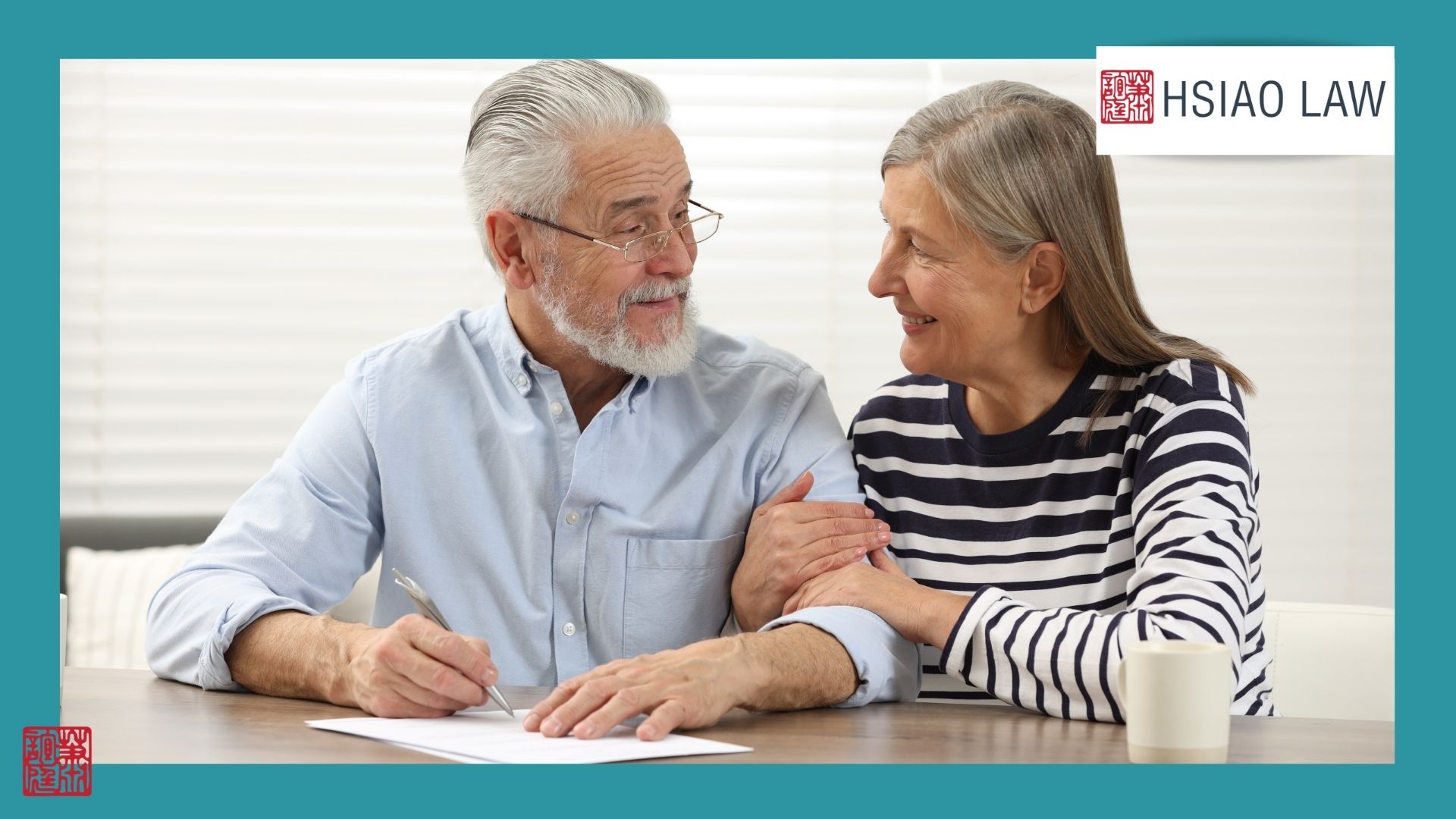
If you have signed and notarized a trust you created online, you are already ahead of most families. But an estate plan is more than a set of forms, and a DIY living trust in California can look finished long before it works.
For families in La Jolla, UTC/University City, Clairemont Mesa, and nearby San Diego communities, the better question is not whether you can prepare a trust yourself. It is whether the plan will do what you expect on the day your family needs it.
A DIY Living Trust in California Still Has to Be Funded
The easiest step to miss happens after the signing is done. A revocable living trust, meaning one you can change during your lifetime, generally helps avoid probate only for property that has actually been transferred to the trust or otherwise properly connected to the plan. Probate is the court process for transferring property after someone dies. Real estate meant to be trust property commonly requires a properly prepared and recorded deed.
Other assets work differently. Bank and investment accounts may need title changes, while retirement accounts, life insurance, and payable-on-death accounts involve beneficiary designations that should be reviewed as part of the plan. If you recently bought a home in San Diego, confirm how it is titled.
A pour-over will can provide a backup for certain property left outside the trust, but it does not make careful funding unnecessary, and an omitted asset may still require a court procedure after death.
The Form Cannot Ask the Questions You Do Not Know to Ask
Online documents are built for common situations, and families are not always common situations. Ask yourself:
- What happens if a beneficiary dies before you?
- Should a child’s inheritance be distributed at 18 or held in trust longer?
- Who manages your property if you cannot handle your own finances?
- What if a beneficiary has a disability or receives public benefits?
- How should a business interest be handled?
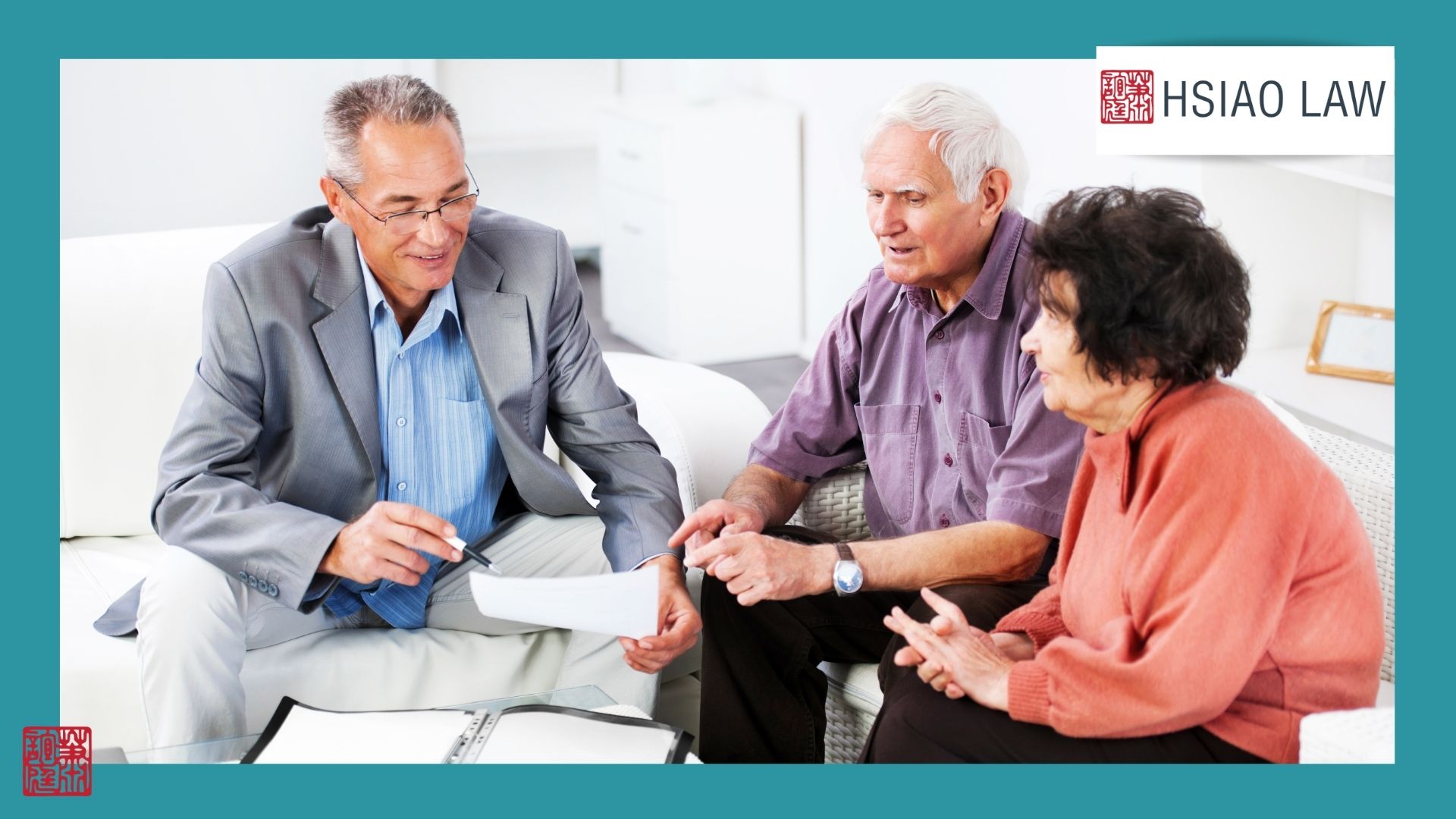
A form gives you a blank space for a name or a percentage. An attorney can walk you through what those choices mean for your family.
A Living Trust Is Usually Only One Part of the Plan
Another common gap is focusing so closely on the trust that the other documents get little attention. A California estate plan may also include a pour-over will, a durable power of attorney, and an advance health care directive, and parents of minor children may use their wills to nominate guardians. Each addresses a different problem: a trust primarily deals with property and its management, a power of attorney can authorize someone to handle financial matters during incapacity, and an advance health care directive addresses medical decision-making.
Without appropriate incapacity documents, family members may in some circumstances need to seek a court conservatorship to obtain authority to make decisions for an adult who can no longer act independently.
Small Estates Still Deserve Thoughtful Planning
Estate planning is not just for families with large investment portfolios. If you have a home and young children, what matters most may be who manages an inheritance and who cares for your kids. If your estate is modest, you may simply want to make things easier for the people you leave behind.
Legal guidance often adds the most value before any documents are drafted, while you are still deciding what you want the plan to do. If you are considering a DIY plan, an attorney can review:
- Whether a revocable trust actually fits your family’s goals.
- How your assets should be transferred to the trust, and how your beneficiary designations line up.
- Who should serve as trustee, and who should back that person up.
- What added protection a minor child or a beneficiary with special circumstances may need.
- When the plan should be updated after marriage, divorce, a new child, a move, or a major change in assets.
Key Takeaways
- A DIY living trust may be legally valid, but completing a form is only part of estate planning.
- Property intended to receive a trust’s probate-avoidance benefits generally must be properly transferred or otherwise coordinated with the plan.
- Retirement accounts, insurance, and other beneficiary-designated assets need separate attention.
- A trust does not replace powers of attorney or health care directives, which may matter during incapacity.
- Families with children, businesses, or changing assets may benefit from individualized review.
Make Sure the Plan Works Beyond the Paper
The goal is not to finish a document. It is to build a plan that reflects how your property is owned, who depends on you, and what happens if you cannot manage your affairs or after your death.
Attorney Amy Hsiao and the Hsiao Law team work with families across San Diego and California, in English and in Mandarin. To talk through where your plan stands, Schedule a consultation to learn more.
References: SmartAsset (January 9, 2025), “The Dangers of DIY Estate Planning.” https://smartasset.com/taxes/the-dangers-of-diy-estate-planning